Promoting Inclusive Fitness: 3 Organizations Encouraging Exercise for All Individuals
The writer shares two memorable comments about their body: one from a former partner who remarked on their soft belly, and another from a roommate who expected more noticeable results despite their frequent gym visits. These comments deeply affected the writer, as they reflect their ongoing body insecurities even after 15 years.
The fitness industry has long emphasized a specific body appearance, such as a tight stomach and muscular physique, which the writer eventually accepted they would never achieve. This standard has often centered around whiteness and traditional gender norms, favoring thinness for women and muscularity for men. Unfortunately, these ideals exclude those who do not conform and fail to acknowledge the uniqueness of every individual’s body.
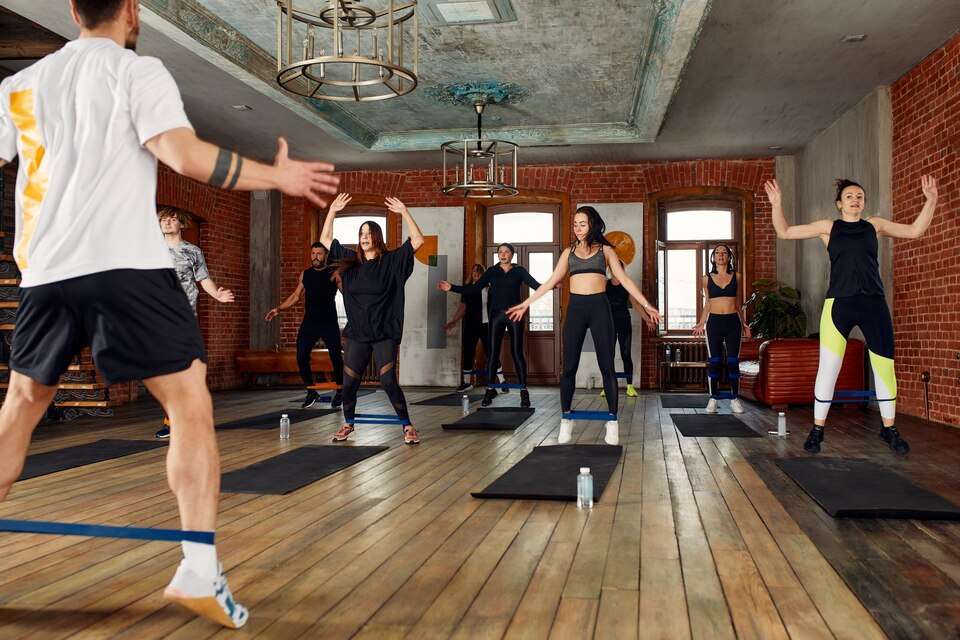
However, a growing number of fitness organizations are challenging these toxic ideals commonly promoted by conventional gyms. These organizations aim to include individuals whose bodies have been marginalized in mainstream fitness, such as Black and Brown people, queer and trans individuals, those who are fat or disabled, and those with intersecting marginalized identities. Instead of advocating for body changes, these organizations promote radical acceptance and emphasize the joy of movement.
Fostering Fitness with a Radical Approach in Oakland
Luca Page, a queer person of color who has always been in a bigger body, expressed their discomfort with traditional fitness spaces. Despite their love for exercise, they struggled to find safe and joyful environments. In response to this need, Page established Radically Fit in 2018, aiming to provide a gym that welcomes individuals with bigger bodies, trans people, and people of color in Oakland.
The gym not only accepts diverse bodies but also celebrates and focuses on them, creating a unique atmosphere. Radically Fit offers a pay-what-you-can sliding scale and discounted personal training for non-white members. It provides classes specifically tailored to different body types, including trans and gender-nonconforming individuals as well as those with bigger bodies.
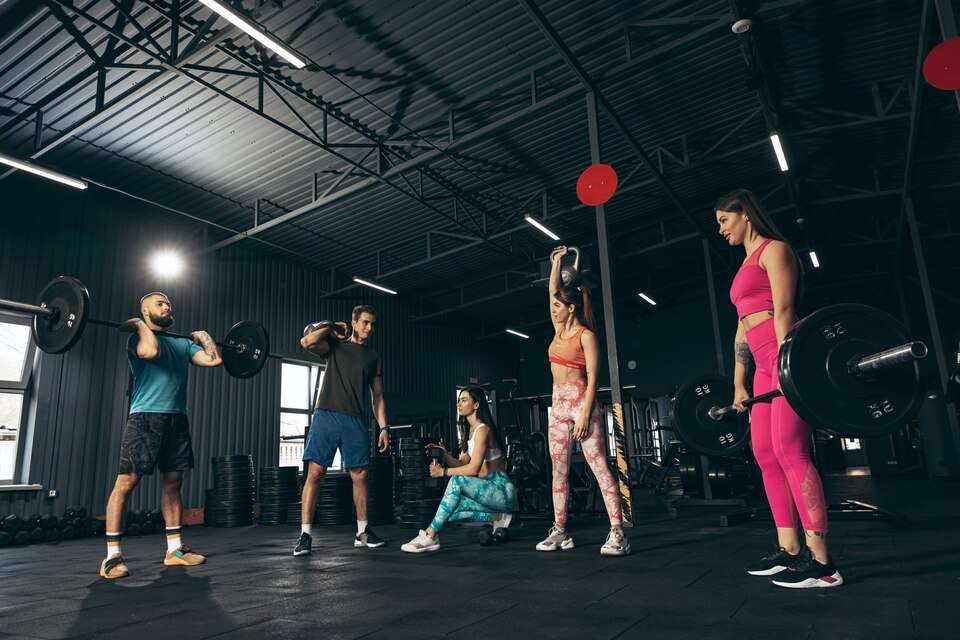
Powerlifting, a highly popular class at the gym, exemplifies their mission. Participants often discover their hidden strength, especially marginalized individuals who are consistently told they are weak and should shrink themselves. Powerlifting empowers them to recognize their strength and face the world with confidence.
In contrast to an industry often driven by shame, Radically Fit embraces an opposite approach. Their aim is to establish a space where people can challenge themselves at their own pace, free from judgment, and to enthusiastically support and cheer them on.
Embracing Fitness in Brooklyn
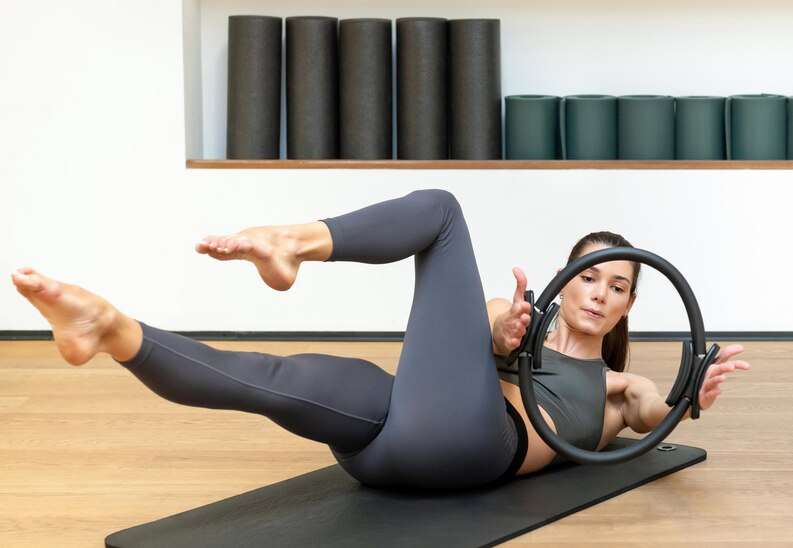
Ife Obi, founder of The Fit In, recognized the lack of emphasis on fitness and wellness in the Brooklyn community where she grew up. After experiencing an injury and undergoing physical therapy, Obi became passionate about intentional movement as a means to improve overall health and combat health issues prevalent in the Black community. In 2018, she opened her first studio in Brooklyn’s Bedford-Stuyvesant neighborhood, offering strength training and mat Pilates. The Fit In has since expanded to two more nearby locations and also operates an online shop with healthy snacks and supplements. Obi’s approach is to bring fitness closer to the community, acknowledging the barriers faced by many, such as distance and multiple responsibilities. The Fit In aims to cater to individual fitness goals and promote a holistic approach to health, focusing on finding enjoyable movement practices for consistent engagement. Instead of prioritizing thin body ideals, Obi seeks to help people feel stronger and have more energy for their daily activities, with a particular focus on empowering Black women and improving their health and strength.
The Fit In: Bridging Fitness Gaps and Empowering the Underserved Black Community
Drawing on their passion for community-building, challenging systemic oppression, and empowering individuals, Freeman’s work at Nonnormative Body Club combines personal training, group fitness, and support for trans wellness. They provide workshops on topics like preparation and recovery for top surgery and maintaining chest-binding health.
Freeman’s approach focuses on helping clients reclaim their body narratives and strength on their own terms through individualized training sessions. In group fitness classes, they prioritize inclusivity by offering multiple exercise options and emphasizing participants’ autonomy over their bodies and workouts. Freeman’s guidance is always presented as suggestions rather than mandates.
The need for explicit inclusivity in fitness spaces has become evident as Nonnormative Body Club continues to welcome a diverse range of individuals. Many clients have expressed discomfort exercising due to the fear of being judged by others. Recognizing the exclusionary nature of the fitness industry, Freeman believes it is crucial to create spaces that explicitly celebrate and embrace the entirety of people’s identities.
similar articles
Bicycles have long been hailed…
Regular exercise can help reduce the risk of arthritis pain by minimizing joint wear and tear…