Strength training, which is also referred to as weight training or resistance training, holds significant importance in any fitness regimen. It not only enhances your strength but also improves your muscle endurance.
During strength training, you engage in movements that involve countering resistance from various sources, such as your own body weight, free weights like dumbbells or barbells, resistance bands (also known as tubing or workout bands), and resistance machines like cable machines, single-exercise machines, or multi-gym systems.
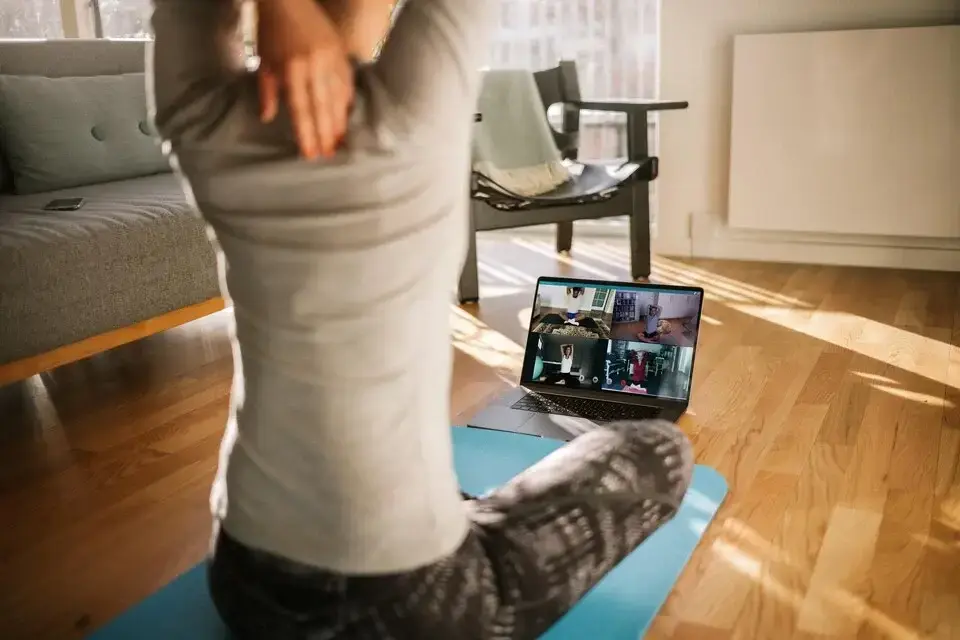
The versatility of strength training allows you to perform it in almost any location. While it is commonly practiced at gyms, you can establish a comprehensive strength training program that can be done conveniently and privately in your own home.
This article aims to provide you with the necessary information to initiate an at-home strength training routine, including examples of exercises that can be incorporated into your workout plan.
What are the benefits of strength training?
Strength training offers numerous advantages for health and fitness, as supported by research. According to the Mayo Clinic, engaging in strength training can yield the following benefits:
Promotes the development of lean muscle mass.
Facilitates the reduction of body fat.
Enhances calorie burning efficiency, even post-workout.
Boosts metabolism, aiding in weight loss.
Increases bone density and improves bone health.
Enhances flexibility and range of motion.
Contributes to improved brain health and cognitive functions.
Alleviates symptoms associated with various chronic conditions, including back pain, diabetes, arthritis, and heart disease.
Enhances posture, balance, and stability.
Elevates energy levels.
Improves mood and overall well-being.
What are the benefits of working out at home?
The advantages of exercising at home are numerous. Firstly, it is incredibly convenient and simple, allowing you to incorporate a workout into your routine without the need to visit a gym. This saves time by eliminating travel and waiting for equipment. Additionally, it is a cost-effective option as there are no gym fees or the need to invest in expensive workout equipment. Another benefit is the flexibility it offers; you can exercise whenever it suits you, irrespective of the time of day or night. Furthermore, working out at home provides a sense of privacy, enabling you to exercise without self-consciousness. Lastly, you have the freedom to go at your own pace, without feeling pressured to match others or exceed your comfort level.
Getting started
To begin your strength training routine, start by identifying a comfortable space in your home where you can exercise. Ensure that this area provides ample room for unrestricted movement of your arms and legs.
While it is not necessary to acquire a lot of equipment, you may find the following items useful if you choose to make some purchases:
An exercise mat
Resistance bands or tubing
Dumbbells
A kettlebell
A stability ball
A medicine ball
If you don’t have access to dumbbells or a kettlebell, you can utilize alternative objects like water bottles, sandbags, or canned goods as substitutes for weights.
If you are new to strength training, it might be beneficial to search for online strength training workouts specifically designed for beginners. These resources can guide you in performing exercises correctly, maintaining proper form, and properly warming up and cooling down.
Start with a warmup
Prior to commencing your workout, it is important to engage in a warmup session lasting around 5 to 10 minutes. This warmup can consist of activities such as brisk walking, jogging in place, or exercises targeting your legs, arms, and other significant muscle groups.
Bodyweight strength training exercises
After ensuring your muscles are adequately warmed up, you can begin a sequence of bodyweight exercises. These exercises do not require any equipment, except for an exercise mat if the floor surface is uncomfortable.
During the execution of each exercise, it is crucial to maintain smooth, steady, and controlled movements.
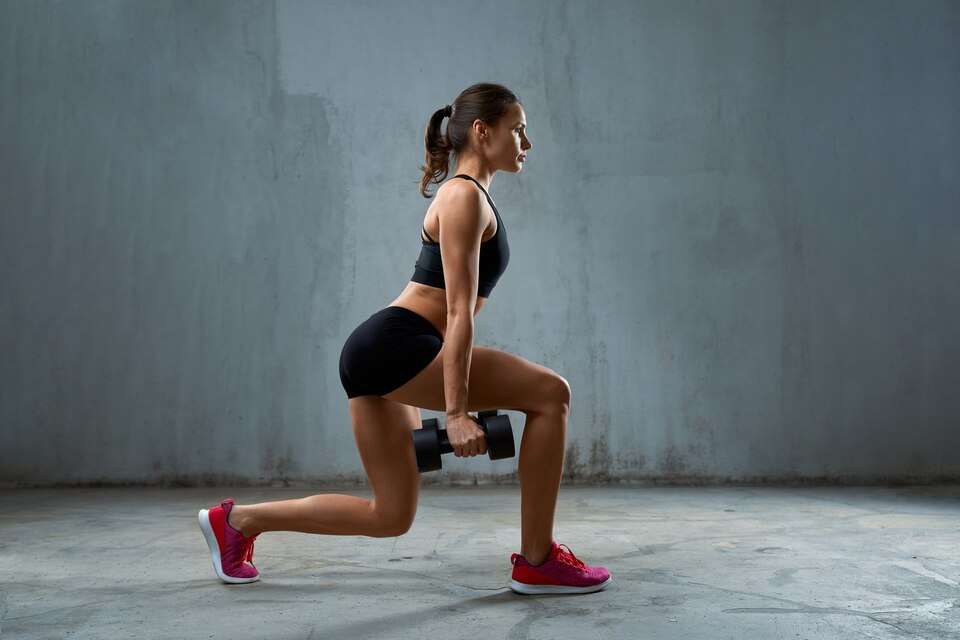
Lunges
The primary purpose of a basic lunge is to engage the muscles in your lower body, such as the quadriceps, hamstrings, glutes, and calves.
To perform this exercise:
Begin by standing upright with your feet positioned shoulder-width apart.
Take a step forward with your right foot and gradually lower your hips towards the ground, ensuring that your right leg forms a 90-degree angle and your left knee is parallel to the floor. Be mindful not to let your front knee extend beyond your toes.
Maintain an elongated spine to keep your upper body upright.
Hold this position for at least 5 seconds, or longer if desired.
Return your right foot to its initial position next to your left foot, and then repeat the same movement using your left leg.
Complete 10 to 12 repetitions of this exercise, take a brief rest, and proceed with another set.
Variations of lunges include walking lunges, jumping lunges, lunges with a torso twist, and side lunges.
Squat to overhead raise
If you are new to strength training, begin by lifting your arms above your head without using any weights. Once you can perform this exercise correctly, you can introduce lightweight dumbbells and gradually increase the weight as you become stronger.
This exercise not only targets your glutes and leg muscles, but also engages your core, back, shoulders, and triceps.
Here are the steps to perform this exercise:
Position yourself with your feet slightly wider than hip-width apart and keep your arms by your sides.
Slowly lower your hips into a squat position.
Push through your legs to return to a standing position while simultaneously raising your arms overhead.
Go back to the starting position.
Aim for 1 to 3 sets of 8 to 12 repetitions.
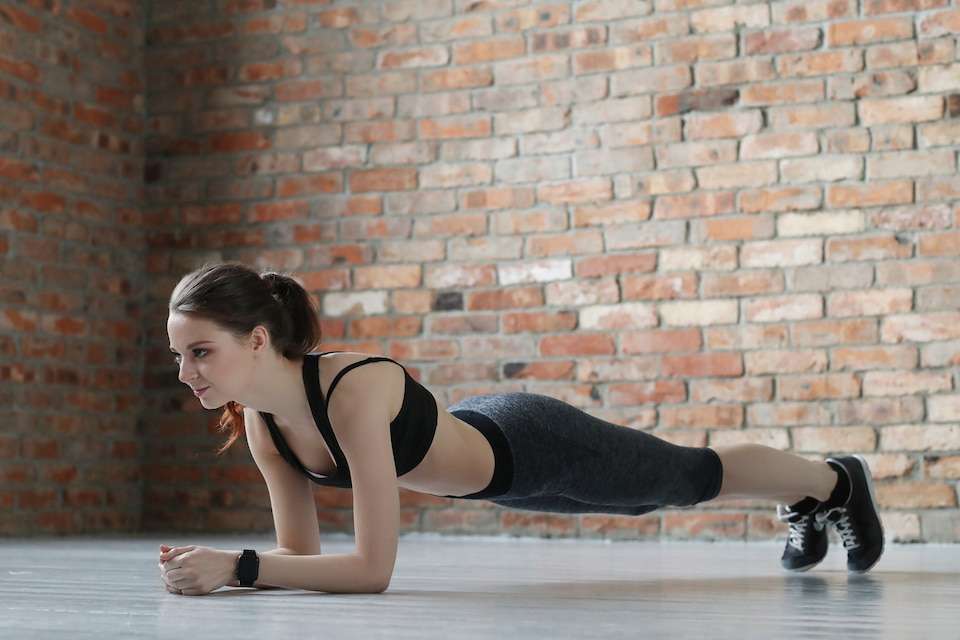
planks
Planks are a highly effective exercise that can enhance your core strength and stability. Additionally, this exercise can contribute to the strengthening of your back, chest, and shoulders.
To perform this exercise:
Position yourself by resting on your forearms and toes only, maintaining a straight line with your body. Keep your buttocks clenched and engage your abdominal muscles.
Attempt to hold this position for 30 seconds. If it proves too difficult, start with a 20-second duration.
As you progress in strength and fitness, aim to hold the plank position for 1 minute or longer.
Once you feel prepared for a more challenging variation of the plank, you can try lifting one leg at a time while maintaining the plank position.
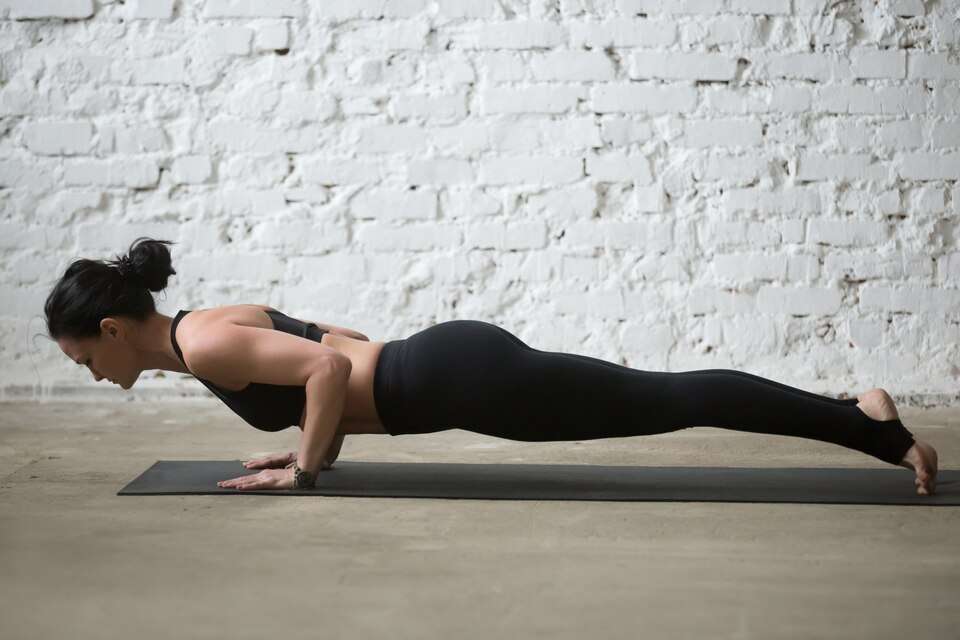
Pushups
The conventional pushup exercise primarily targets the chest muscles (pectorals) and also engages the shoulder muscles, triceps, and abdominals.
To perform this exercise:
Begin in a plank position with your palms positioned directly under your shoulders.
Keep your back flat and engage your core muscles. Lower your body by bending your elbows until your chest is close to touching the floor.
Push your body back up to return to the starting position.
Repeat this movement 8-12 times. Begin with 1-2 sets and gradually increase to 3 sets as you become stronger.
If you prefer a less demanding version of the pushup, you can place your weight on your knees instead of your toes.
There are also more challenging variations of the pushup, such as plyo pushups, close stance pushups, and decline pushups.
Free weight exercises
The next set of exercises involves the use of dumbbells. Begin with a 5-pound dumbbell, and as you progress and become stronger, you can transition to 8- or 10-pound dumbbells.
If you don’t have access to dumbbells, you can improvise by using canned goods or water bottles instead. Ensure that you firmly grip them to prevent any potential injuries.
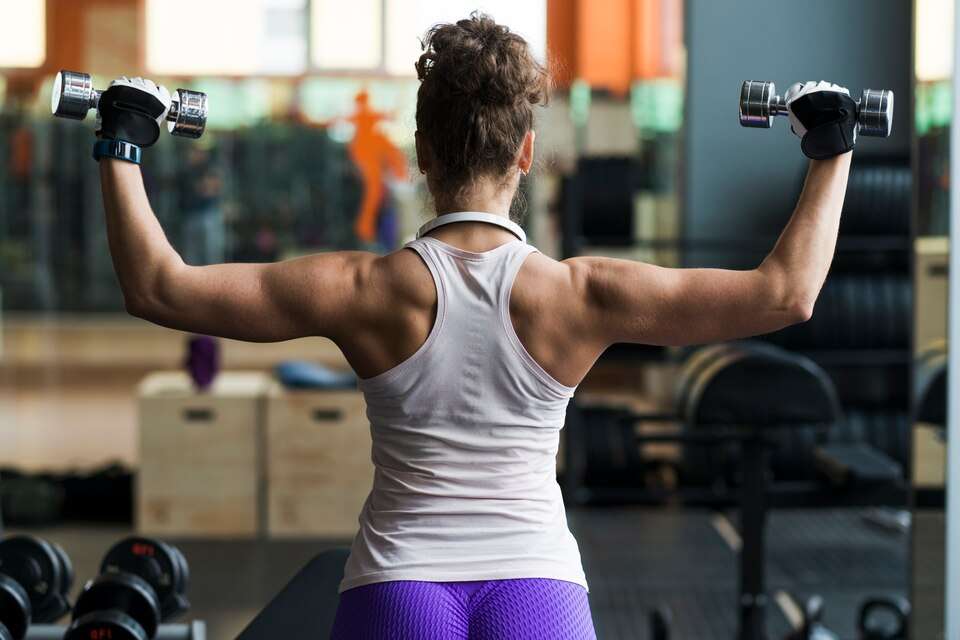
Dumbbell shoulder press
Shoulder press with dumbbells:
This exercise focuses on the muscles in your shoulders and arms, while also providing strength to your core and chest muscles.
Here’s how to perform this exercise:
Stand with your feet positioned shoulder-width apart.
Pick up the dumbbells and lift them to the height of your shoulders. Your palms can either face forward or towards your body.
Raise the dumbbells above your head until your arms are fully extended.
Hold this position for a few seconds before lowering the dumbbells back to shoulder height.
Aim for 1 to 3 sets of 8 to 12 repetitions.
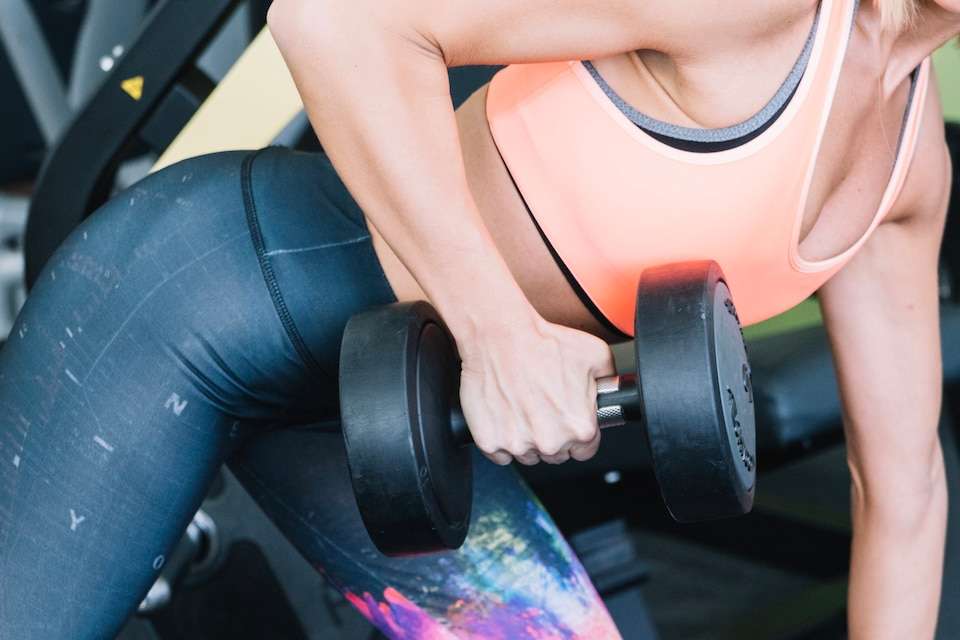
Triceps kickback with dumbbells
This exercise primarily targets your triceps while also engaging your shoulder muscles.
Here’s how to perform this exercise:
Grab two dumbbells, one in each hand.
Bend your torso at a 45-degree angle and bend your elbows to form a 90-degree angle.
Proceed to straighten your arms out directly behind you, activating your triceps.
You have the option to perform the exercise with one arm at a time or both arms simultaneously.
If you’re a beginner, start with 1 to 2 sets of 8 to 12 repetitions, and gradually increase to 3 sets as your strength improves.
Resistance band exercises
Resistance band exercises offer a valuable addition to your strength training routine. These bands are lightweight, versatile, and a 2010 study has indicated that they effectively work your muscles, comparable to the effectiveness of free weights or weight machines.
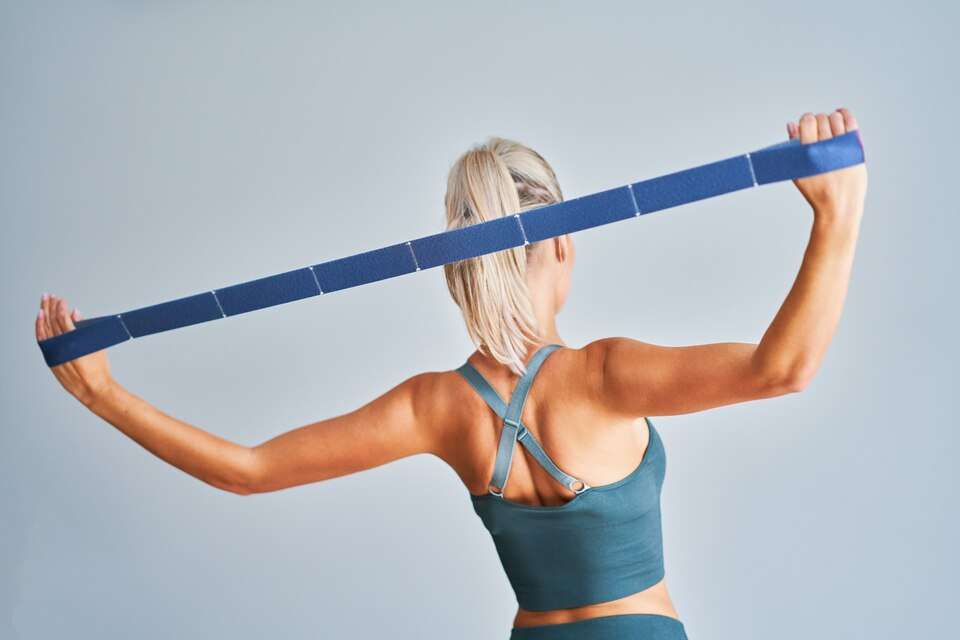
Resistance band pull apart
The resistance band pull apart exercise primarily targets the muscles in your back, shoulders, and arms.
Here’s how to perform this exercise:
Stand with your arms extended in front of you at chest height.
Hold a resistance band firmly with both hands, ensuring the band is parallel to the ground.
Maintain straight arms as you pull the band towards your chest by moving your arms outward to the sides. Initiate this motion from your mid-back.
Squeeze your shoulder blades together while keeping your spine straight, and then slowly return to the starting position.
Aim for 1 to 3 sets of 15 to 20 repetitions.
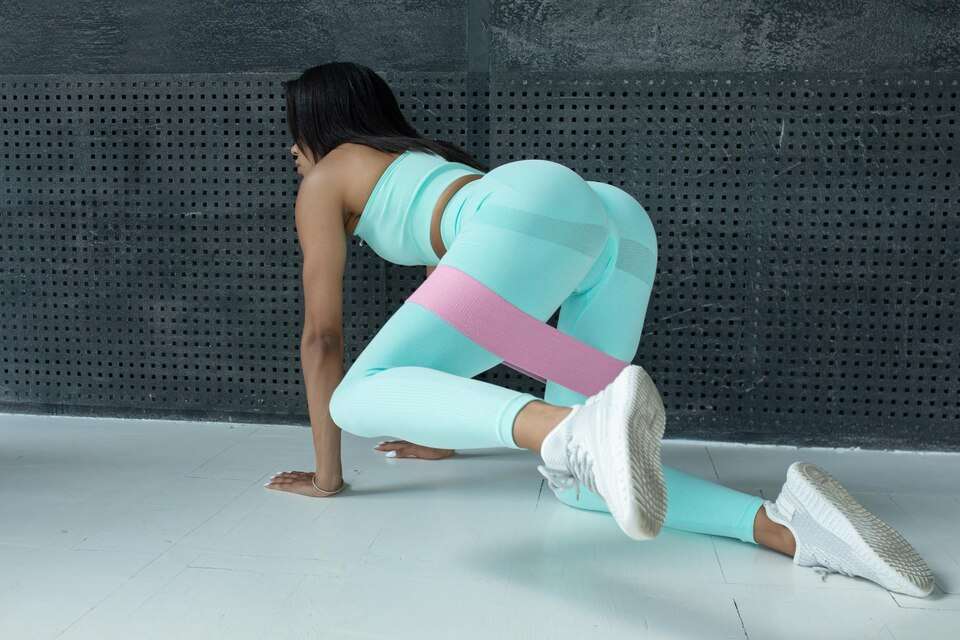
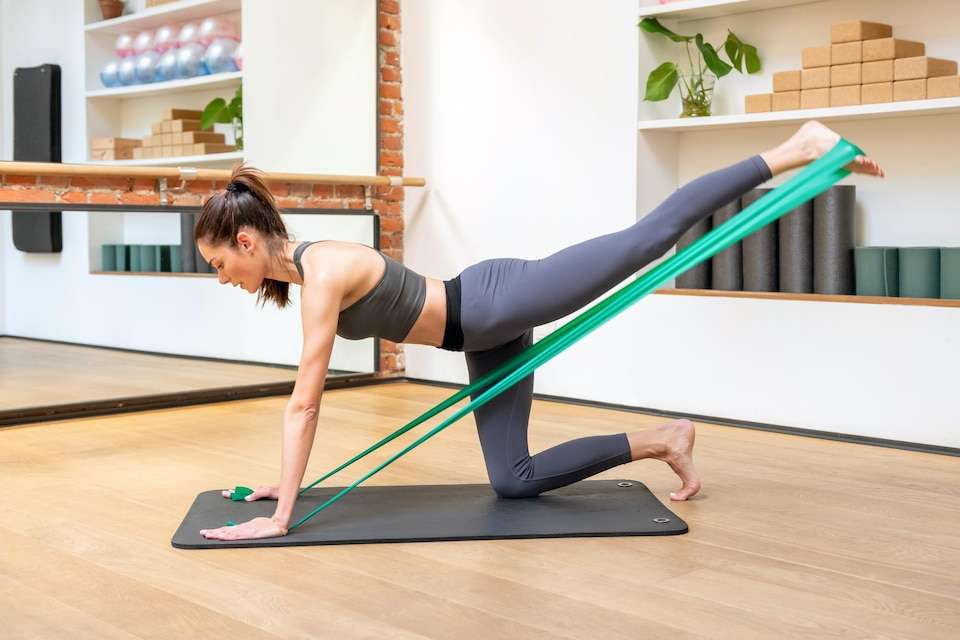
Hip extension
Hip extension is an exercise that targets the muscles in your hips and legs. To perform this exercise, you will need a light- to medium-resistance band.
Here’s how to do it:
Wrap the resistance band around both of your ankles. You can use a chair or a wall for balance if needed.
Maintain a straight line in your body and pull your left leg back as far as possible, while keeping it as straight as you can.
Slowly return to the starting position.
Complete 12 repetitions with your left leg and then repeat the same process with your right leg.
Start with 2 sets on each side, and gradually increase to 3 sets as you develop strength.
Resistance band leg press
The resistance band leg press exercise targets various muscle groups including the quadriceps, hamstrings, calves, and glutes. Similar to a leg press on a weight machine, this exercise requires you to work against gravity.
Here’s how to perform the exercise:
Lie on your back and raise your feet off the ground.
Bend your knees to create a 90-degree angle while flexing your feet and pointing your toes upward.
Wrap the resistance band around your feet and hold the ends securely.
Press your feet against the resistance band until your legs are fully extended.
Bend your knees to return to the 90-degree angle position.
Aim for 1 to 3 sets of 10 to 12 repetitions.
Cooling Down After Exercise
Conclude your workout by dedicating approximately 5 to 10 minutes to a cooldown period. This facilitates the transition of your breathing and heart rate into a relaxed state. You have several options for cooling down, such as walking in place and performing gentle stretches.
THE BOTTOM LINE
Incorporating strength training into your routine for 30 to 45 minutes, two to three times per week, offers multiple benefits. It helps in building lean muscle mass, increasing calorie burn, and enhancing metabolism, ultimately facilitating weight loss.
Moreover, strength training contributes to stronger bones and joints, reduces the risk of chronic diseases, improves flexibility, posture, and balance, and enhances mood and energy levels.
Many strength training exercises can be performed at home using minimal equipment or solely relying on your body weight as resistance.
If you have any health concerns or existing injuries that may hinder exercise, it is advisable to consult your doctor or a certified personal trainer before starting an at-home strength training regimen.