Navigating the Complex World of Sleep Cycle Disruptions
Welcome to the captivating domain of sleep cycles, where our nightly voyage through various stages can be marred by a plethora of influences. In this article, we shall serve as your guides through the intricate realm of sleep disruptions, exploring the myriad reasons behind these nocturnal interruptions. So, fasten your seatbelts as we embark on this journey to demystify the complexities of disrupted sleep cycles.
The Dance of Sleep Cycles
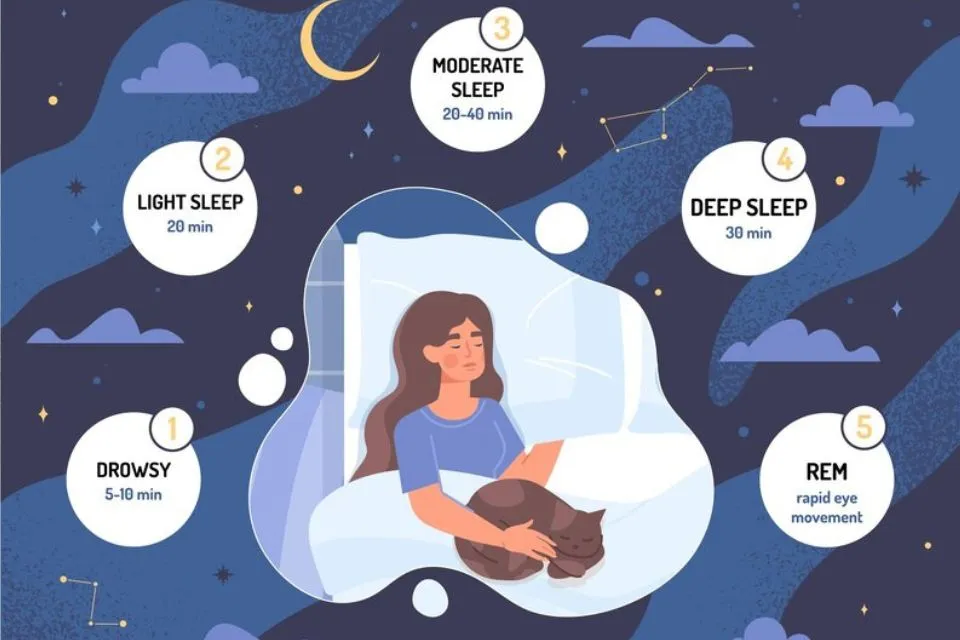
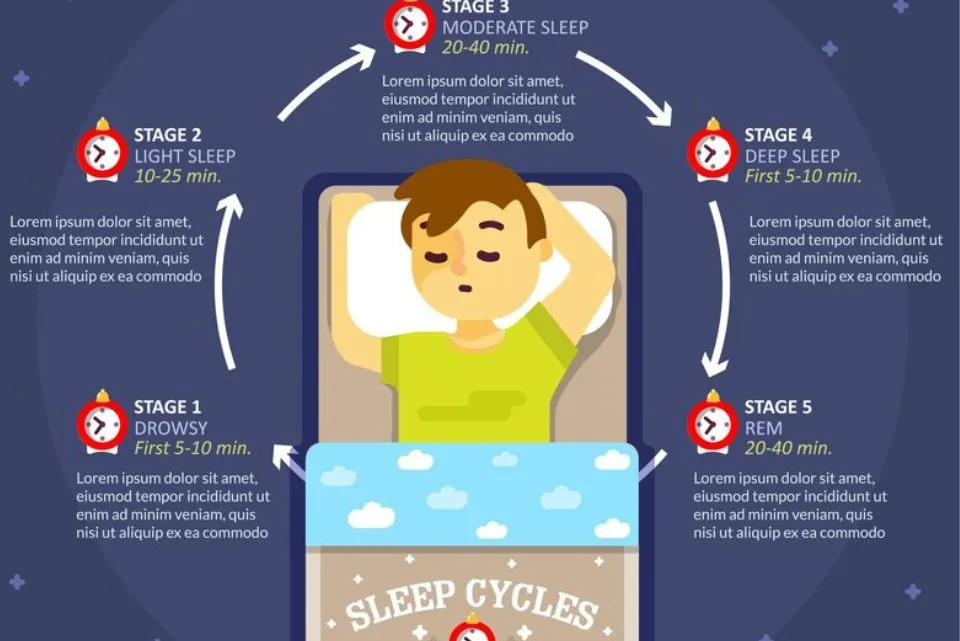
Before we dive into the reasons for sleep disruptions, let’s first understand the intricate choreography of sleep cycles. Sleep is not a continuous state; instead, it’s a rhythmic pattern that alternates between two main phases: rapid eye movement (REM) sleep and non-rapid eye movement (NREM) sleep. These phases follow a specific sequence and repeat several times during the night.
Deciphering NREM and REM Sleep
NREM sleep is further dissected into three stages, each characterized by its unique attributes. The initial stage marks the transitional state between wakefulness and slumber. The second stage delves deeper, signifying reduced eye movement. The third stage, renowned as deep sleep, is where the body undergoes physical rejuvenation.
REM sleep, conversely, is the stage where dreams take center stage. During REM sleep, the brain is exceptionally active, akin to wakefulness, but the body remains immobilized. This phase is pivotal for mental and emotional restoration.
Now, let’s unravel the motives behind the disruption of these delicate sleep cycles.
1. The Menace of Stress and Anxiety
Foremost among the culprits behind disturbed sleep cycles are stress and anxiety. When the mind is besieged with worries and apprehensions, the transition into deeper sleep stages becomes arduous. Stress often leads to recurrent awakenings, depriving you of the therapeutic benefits of profound sleep.
2. The Importance of Sleep Hygiene
Your sleep surroundings and practices wield considerable influence over the integrity of your sleep cycles. Suboptimal sleep hygiene, such as engaging with electronic devices before bedtime or enduring an uncomfortable mattress, can hinder your seamless progression through sleep stages.
3. The Significance of Routine
Consistency assumes a pivotal role in preserving healthy sleep cycles. Adhering to a regular sleep schedule, where bedtime and wake-up times remain constant, harmonizes your internal body clock and enhances the likelihood of restorative sleep.
4. The Intrigue of Caffeine and Stimulants
The consumption of caffeine or other stimulants in close proximity to bedtime can impede your ability to initiate and sustain sleep. These substances tend to prolong lighter sleep stages at the expense of deep, revitalizing rest.
5. Medical Matters
Certain medical conditions, such as sleep apnea, restless legs syndrome, or persistent pain, can significantly disrupt sleep cycles, ushering in frequent nocturnal arousals.
6. The Influence of Medications
Some medications bear side effects that encompass sleep disturbances. If you find yourself grappling with disturbed sleep cycles while under medication, it is prudent to confer with your healthcare provider.
7. The Impact of Environmental Elements
External factors like noise pollution, luminosity, or ambient temperature can instigate disruptions in your sleep cycles. Crafting a tranquil and comfortable sleep environment is instrumental in securing uninterrupted repose.
8. Dietary Dynamics and Late-Night Eating
The consumption of heavy or spicy meals in close proximity to bedtime can precipitate indigestion and discomfort, resulting in sleep interruptions. Opting for a light snack when experiencing nocturnal hunger is advisable.
9. Alcohol and Tobacco
Both alcohol and tobacco can interfere with sleep quality. While alcohol may initially make you drowsy, it often leads to fragmented sleep and frequent awakenings.
10. Mental Health Disorders
Conditions such as depression and bipolar disorder can affect one’s sleep patterns.. Managing these conditions with the help of a healthcare professional is essential for restoring healthy sleep cycles.
In Summation
Comprehending the multifaceted rationales behind disrupted sleep cycles serves as the initial stride toward discovering remedies. If you find yourself besieged by frequent sleep disruptions, it is prudent to seek counsel from a healthcare provider or a sleep specialist. With the implementation of appropriate strategies and adjustments to your lifestyle, you can restore the harmony of your sleep cycles and relish the rejuvenating dividends of a peaceful night’s slumber.