
Sleep Deficit: Is It Possible to Make Up for Lost Sleep?
Compensating for Sleep Loss
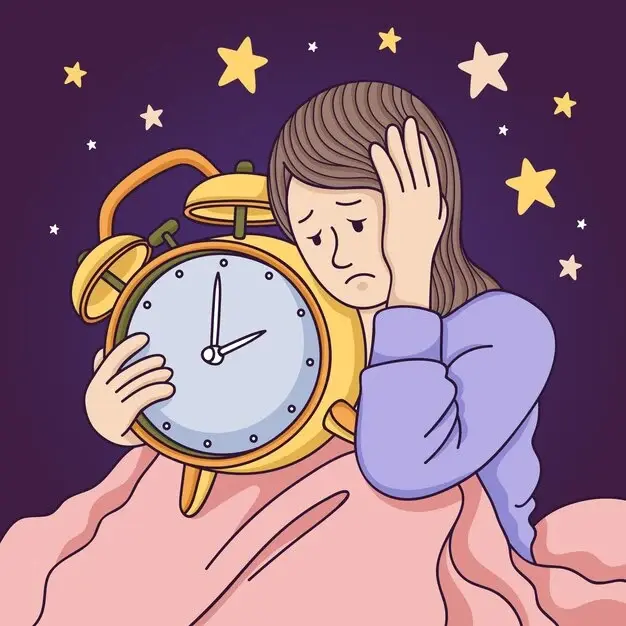
Is it possible to compensate for a lack of sleep? The straightforward answer is yes. If you find yourself waking up early for an appointment on a Friday and then allow yourself to sleep in on Saturday, you will mostly make up for the sleep you missed.
Sleep is a crucial restorative process where your brain organizes information and promotes physical healing. It prioritizes essential memories and forges new pathways to help you navigate the upcoming day. Moreover, sleep contributes to the mending and rejuvenation of your blood vessels and heart.
Nevertheless, making up for lost sleep is not exactly the same as fulfilling your sleep requirements initially. When you try to catch up on missed sleep, your body needs additional time to fully recover. According to a 2016 study, it takes about four days to completely compensate for each hour of sleep that you’ve lost.
Furthermore, many Americans experience chronic sleep loss rather than occasional instances. This accumulates a “sleep deficit,” making it more challenging to catch up on sleep and increasing the likelihood of symptoms associated with sleep deprivation.
Understanding Sleep Deficit
The concept of sleep deficit can be likened to a bank account where sleep time is the currency. Whenever you fail to get sufficient sleep, it is akin to withdrawing from that account, and the debt needs to be repaid. When someone consistently accumulates sleep debt, it becomes challenging to fully compensate for the lost sleep.
According to the National Sleep Foundation, the average American requires approximately 7.1 hours of sleep per night to experience a sense of well-being. However, a significant 73 percent of individuals regularly fall short of this target. This can be attributed to various factors, including academic responsibilities, long working hours, and excessive use of electronic devices such as smartphones.
Many individuals believe they can make up for their sleep deficit by sleeping longer on weekends. However, if one sleeps excessively on Saturdays and Sundays, it becomes difficult to adhere to a regular bedtime on Sunday night. As a result, the sleep debt continues into the following week.
Chronic sleep deprivation poses numerous health risks. It can elevate the likelihood of developing conditions like diabetes, weaken the immune system, and increase blood pressure. Additionally, it may lead to higher levels of cortisol, a stress hormone, which can contribute to feelings of anger, depression, and even suicidal thoughts. Moreover, excessive drowsiness raises the risk of falling asleep while driving, potentially leading to accidents.
Tips for compensating for lost sleep
The optimal number of hours of sleep varies from person to person. While some individuals may require nine hours or more, others function well with six hours or less. Determining your ideal sleep duration involves assessing how you feel the next day after different amounts of sleep.
Another approach is to allow your body to sleep naturally for a few days, without setting an alarm or strict bedtime. This helps your body establish its own sleep rhythm, which you can continue following once the experimentation period concludes.
Strategies for Compensating Lost Sleep
In the event that you fall short on your sleep duration, here are a few approaches to help you catch up:
- Take a brief power nap lasting around 20 minutes during the early afternoon.
- Allow yourself to sleep in on weekends, but avoid exceeding two hours past your usual waking time.
- Extend your sleep duration for one or two nights.
- Retire to bed slightly earlier on the following night.
However, if you are facing chronic sleep deficit, the aforementioned suggestions may not yield significant improvements. In such cases, it is advisable to make long-term changes to your sleep habits.
To ensure adequate sleep, consider the following tips:
- Gradually shift your bedtime 15 minutes earlier each night until you reach your desired sleep schedule.
- Avoid sleeping more than two hours beyond your regular waking time, even on weekends.
- Keep electronic devices out of the bedroom.
- Evaluate your evening routine to identify any factors that may be causing you to stay up late.
- Refrain from using electronics at least two hours before going to bed.
- Ensure your bedroom is dark and maintained at a cool temperature.
- Limit consumption of caffeine in the late hours.
- Complete any physical exercise at least three hours before bedtime.
- Avoid long naps, except for 20-minute power naps.
If these measures do not yield the desired results or if you experience other sleep-related issues like narcolepsy or sleep paralysis, it is recommended to consult a doctor. A sleep study may be beneficial in identifying any underlying problems.
Advantages of Prioritizing Sufficient Sleep
The importance of obtaining an adequate amount of sleep is often underestimated. Some individuals may feel that dedicating time to rest is a waste of valuable working hours. However, sleep holds equal significance to any activity performed while awake.
Satisfactory sleep contributes to improved learning and memory. People generally exhibit better mental performance after a full night’s sleep. This implies that receiving nine hours of sleep instead of seven can potentially reduce the time required to complete tasks the following day, as the brain functions at a heightened level. Consequently, accomplishing tasks more efficiently facilitates the ability to maintain a reasonable bedtime on subsequent nights.
Furthermore, obtaining additional sleep can promote overall physical well-being. It safeguards heart health, maintains optimal blood pressure, regulates appetite, and stabilizes blood glucose levels. Sleep serves as a period for hormone release, promoting growth and facilitating cellular and tissue repair while enhancing muscle mass. Sufficient sleep also benefits the immune system, bolstering its ability to ward off infections.
Risks associated with attempting to compensate for lost sleep
Inconsistent sleep patterns can elevate the risk of various medical conditions, including:
- Diabetes
- Weight gain
- Anxiety
- Depression
- Bipolar disorder
- Impaired immune response
- Heart disease
- Memory problems
The encouraging news is that obtaining adequate sleep can reduce the heightened risk of developing these diseases. It is never too late to adopt healthy sleep habits and prioritize sufficient rest.
the bottom line
There is a prevailing temptation, and sometimes even societal encouragement, to minimize sleep in order to maximize productivity. In a culture that highly esteems hard work and commitment, restful sleep is often overlooked. However, insufficient sleep can have detrimental effects on both performance and overall health.
Fortunately, sleep deficit can be rectified. By implementing small adjustments to your daily routine, such as retiring to bed earlier or extending your time in bed, you can gradually reverse the sleep debt. This, in turn, will enhance your readiness for the challenges of the upcoming day.
similar articles

Sleep holds immense importance for maintaining good health. It is a vital activity that impacts vario…

Experiencing difficulty in falling asleep? It might be because it’s too quiet for you. Surprisi…